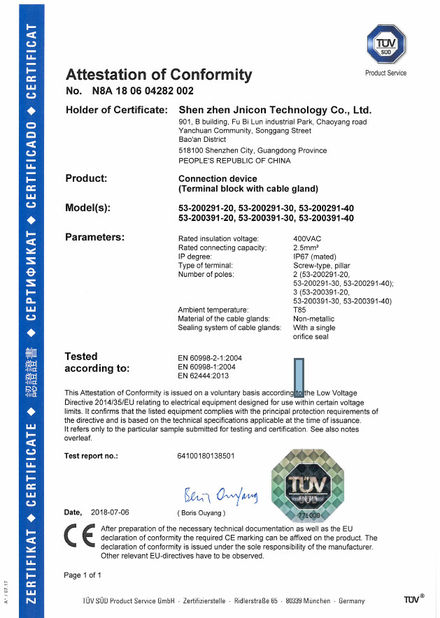
Wenn Geräte in feuchten, staubigen oder häufig gewaschenen Umgebungen betrieben werden, ist die Zuverlässigkeit der elektrischen Verbindungen von größter Bedeutung.Sogar mikroskopisch kleine Feuchtigkeit oder Staubpartikel können Metallkontakte stillschweigend korrodieren, die zu intermittierenden Ausfällen und kostspieligen, nicht geplanten Stillstandzeiten führen.Jede Verbindung muss steinfest gegen Umwelteinflüsse bleiben.Hier erweisen sich wasserdichte elektrische Steckverbinder als unerlässlich und bieten ultimative Lösungen für eine stabile Leistung und Signalübertragung unter extremen Bedingungen.
Was ist mit wasserdichten Anschlüssen?
Wasserdichte elektrische Steckverbinder sind, wie der Name schon sagt, so konzipiert, dass sie sichere elektrische Verbindungen zwischen Geräten aufrechterhalten und gleichzeitig das Eindringen von Feuchtigkeit, Staub,und andere UmweltfaktorenDurch präzise konstruierte Dichtungen, Dichtungen und O-Ringe blockieren sie effektiv die Feuchtigkeit, wodurch Korrosionsrisiken, intermittierende Störungen und unerwartete Systemstörungen beseitigt werden.Sie haben eine IP-Klasse (Ingress Protection) wie IP67., IP68 und IP69K dienen als zertifizierter Leistungsnachweis unter extremen Bedingungen und sind somit wesentliche Komponenten für Außenbeleuchtung, Schiffbau, Automobilindustrie,und industrielle Automatisierung.
Dieser Artikel untersucht die Arbeitsprinzipien wasserdichter Steckverbinder, dechiffriert die Normen für den Schutz von geistigem Eigentum, beschreibt kritische Dichtungs- und Sperrtechnologien,und enthält umfassende Auswahlrichtlinien, um spezifische Ausrüstungsbedürfnisse an Umweltprobleme anzupassen.
Wichtige Punkte:
-
Kernwert:Wie wasserdichte Steckverbinder Geräte schützen und wann sie unentbehrlich werden.
-
IP-Bewertungen erklärt:Verständnis für IP-Schutzniveaus, insbesondere für IP67, IP68 und IP69K-Anwendungen.
-
Technische Grundlagen:Materialwahl, Versiegelungstechniken und Verriegelungsmechanismen, die zuverlässig sind.
-
Auswahlführer:Eine detaillierte Checkliste mit Spannung, Strom, Umweltbedingungen und anderen kritischen Faktoren.
-
Anwendungen:Typische Anwendungsfälle in den Bereichen Outdoor-, Marine-, Medizin- und Industrieautomation.
Wie wasserdichte Steckverbinder funktionieren: Kompromißloser Schutz
Die Konstruktionsphilosophie von wasserdichten elektrischen Steckverbindern konzentriert sich auf die Schaffung einer undurchdringlichen Barriere zwischen den Anschlusspunkten durch physikalische Struktur und Materialeigenschaften.Hochwertige Kautschuk- oder Silikondichtungen~exzellente elektrische Isolatoren~bilden eine dichte wasserdichte Barriere, wenn sie gegen Metallplatten oder Verbindungselemente komprimiert werdenDies verhindert, dass Feuchtigkeit die internen Kontaktbereiche erreicht, wodurch auch bei Spritzungen, Kondensation oder vorübergehendem Untertauchen stabile Verbindungen und Signalintegrität aufrechterhalten werden.Bei Anwendungen im See- und Verkehrsbereich, bei denen die Feuchtigkeitsbelastung konstant ist, dienen diese Steckverbinder als Rettungsleitungen für den ununterbrochenen Betrieb.
Marktvarianten: Verschiedene Bedürfnisse erfüllen
Wasserdichte Steckverbinder sind in verschiedenen Konfigurationen erhältlich, um unterschiedliche technische Anforderungen und Umweltbelastungen zu erfüllen.und Umweltfaktoren.
1Kreislaufverbindungen: Kompakt, vielseitig und leistungsfähig
Kreisförmige Steckverbinder dominieren die industrielle Automatisierung, Sensoren und Robotik aufgrund ihrer räumlich effizienten Konstruktion und universeller Kompatibilität.Sie eignen sich hervorragend für Anwendungen, bei denen häufige Paarungszyklen erforderlich sind, ohne dabei die Signalqualität zu beeinträchtigen.
-
Gemeinsame Spezifikationen:M8, M12 und M23-Serie mit unterschiedlichen Strombelastungen und Pin-Konfigurationen.
-
Vorteile:Überlegene Dichtung, flexible Kontaktvorrichtungen und einfache Installation in engen Räumen.
-
SchutzniveausTypischerweise IP67 oder IP68®, resistent gegen Staub und vorübergehendes/kontinuierliches Eintauchen.
2. Rechteckige/quadratische Steckverbinder: hohe Dichte, modular, robust
Rechteckige Steckverbinder werden für Stromverteilungs- und Steuerungspanele bevorzugt, die eine hohe Pinzahl oder modulare Konstruktionen erfordern.
-
Hauptmerkmale:Hohe Kontaktdichte, modulare Einsätze und langlebige Gehäuse (Polyamid- oder Aluminiumlegierung).
-
Schutz:IP65 bis IP69K je nach Dichtungs- und Gehäusebau.
-
Haltbarkeit:Die robuste Konstruktion hält starken Schwingungen und mechanischen Belastungen stand und enthält oft Kabelklemmen und Belastungsmittel.
3Datenanschlüsse (USB, Ethernet): Zuverlässige Datenübertragung im Freien
Standard-USB- oder Ethernet-Anschlüsse funktionieren in Innenräumen gut, schwanken aber im Freien.
-
Schutzmechanismen:
- Versiegelte Gehäuse (Plastik, Zinklegierung oder Edelstahl) zur Korrosionsbeständigkeit.
- Gummi-O-Ringe und Dichtungen, die kritische Verbindungen abdichten.
- Schutzkappen und Gewindeverriegelung für zusätzliche Barrieren.
- EMI-Schutz für stabile Hochgeschwindigkeitssignale in RJ45/HDMI-Schnittstellen.
IP-Dekodierung: von IP67 bis IP69K
Das Verständnis der IP-Kennzahlen (Ingress Protection) ist entscheidend für die Auswahl geeigneter wasserdichter Steckverbinder.Staub) und Flüssigkeiten.z.B. Wasser).
IP-Ratingstruktur
IP-Codes bestehen aus zwei Ziffern:
-
Erste Ziffer:Festkörperpartikelschutz (höher = besser).
-
Zweite Ziffer:Flüssigkeitsschutz (höher = besser).
Für wasserdichte Steckverbinder:
-
IP67:Vorübergehendes Eintauchen (1 Meter Tiefe für 30 Minuten).
-
IP68:Erweiterter/tieferer Eintauchen (Spezifikationen des Herstellers).
-
IP69K:Hochdruck- und Hochtemperatur-Sprühbeständigkeit.
Wichtige Überlegungen
- IP-Klassifizierungen gelten in der Regel nur, wenn die Steckverbinder vollständig gekoppelt sind.
- Schutzkappen/Siegelstecker halten bei ungebundenen Bedingungen ihre Nennwerte.
- Einige hochwertige Kreislaufanschlüsse erhalten IP-Einstufungen, auch wenn die Spezifikationen nicht verifiziert werden.
Wasserdicht gegen Witterungsdicht: Hauptunterschiede
"Wetterfest" bedeutet im Allgemeinen Widerstand gegen Regen und Außenexposition, während "wasserfest" IP-Prüfstandards definiert hat.Für einen quantifizierbaren Schutz sollten IP-Bewertungen stets vor Marketingbedingungen gestellt werden.
Auswahlleitfaden: Kritische Faktoren
1. Anwendungsvereinbarkeit
Anschlüsse an die Bedürfnisse der Geräte und die Betriebsumgebungen anpassen.
2. IP-Rating-Ausrichtung
Die Auswahl der IP-Spiegel erfolgt auf der Grundlage der tatsächlichen Exposition (Spritzungen, Eintauchen oder Hochdruckspritze).
3. Materialien und Design
-
Kunststoff:Leichtgewicht, kostengünstig, chemikalienbeständig, ideal für moderate Bedingungen.
-
Metall:Überlegene Korrosionsbeständigkeit in rauen Industrie- und Meeresumgebungen.
4. Industriezertifizierungen
Überprüfung der Einhaltung der einschlägigen Normen (UL, ISO, CE) für eine zusätzliche Zuverlässigkeitssicherung.
Prüfliste der Spezifikationen
| Spezifikation |
Überprüfungsstellen |
| IP-Bewertung |
Ebene, gepaarte/ungepaarte Bedingungen, Eintauchtiefe/Dauer (IP68) |
| Strom/Spannung |
Einstufungen für bestimmte Kontaktkonfigurationen |
| Kontaktzahl |
Aktuelle Bedürfnisse + künftige Erweiterung |
| Kabelfreiheit |
Unterstützte Außendurchmesser (OD) und Leitergrößen |
| Panel-Schnittstelle |
Ausschnittmaße und Versiegelungsanforderungen |
| Typ der Kupplung |
mit einem Durchmesser von mehr als 20 cm3 |
| Materialien/Verkleidung |
Korrosions- und UV-Widerstandsfähigkeit |
| Temperaturbereich |
Betriebsgrenzen im Vergleich zu Feldbedingungen |
Zuverlässigkeitsgrundlagen
1. Hohe Strom-/Spannungstoleranz
Die vergoldeten Kontakte minimieren die Oxidation, während die Verriegelungsmechanismen (Gitter, Bajonett usw.) versehentliche Trennungen verhindern.
2. Robuste Materialien
Hochwertige Kunststoffe (Polycarbonat, PBT) und Metalle (Edelstahl, Aluminium) mit korrosionsschutzfähigen Beschichtungen sorgen für eine lange Lebensdauer unter Belastung.
Anwendungen
1. Industrieautomation
Wasserdichte Steckverbinder erhalten die Signalintegrität für SPS, Roboter und Sensoren in Wasch- oder staubigen Umgebungen.
2. Medizintechnik
Kritisch für mobile medizinische Geräte, die Flüssigkeiten und Desinfektionsmitteln ausgesetzt sind.
3. Beleuchtung und Elektronik
Dies ist für LED-Displays im Freien, Schiffsbeleuchtung und Verkehrssysteme bei rauen Wetterbedingungen unerlässlich.
Häufig gestellte Fragen
Sind alle wasserdichten Steckverbinder untertauchbar?
Einige sind nur gegen Spritzereien oder kurzzeitiges Eintauchen beständig beständig.
Welcher Steckverbinder ist am besten für den Außenbereich geeignet?
Auswählen Sie auf der Grundlage der Expositionswerte, UV-Widerstandsfähigkeit und Kopplungsmechanismen, die eine teilweise Trennung verhindern.
Was bedeutet IP68?
Der Untertauchschutz übersteigt IP67, aber die Tiefen-/Dauerparameter variieren je nach Hersteller.
Wasserdicht gegen wetterdicht?
"Wetterfest" ist ein allgemeiner Begriff; IP-Bewertungen liefern messbare Standards.
Schlussfolgerung
Wenn man sich für wasserdichte elektrische Steckverbinder entscheidet, stellt man sich letztlich die Frage: Können sich Ihre Systeme Kompromisse in Bezug auf Zuverlässigkeit, Sicherheit oder Leistung unter Zwang leisten?Diese Komponenten schützen nicht nur vor Umweltrisiken, sondern erhöhen auch die Effizienz und senken langfristige Wartungskosten, was sich für den Betrieb unter anspruchsvollen Bedingungen als unverzichtbar erweist..


 Ihre Nachricht muss zwischen 20 und 3.000 Zeichen enthalten!